Dry Socket
Many of us have faced a missing tooth in our mouth. When we have a tooth pulled, and we have space there, this is called a socket. The pulling out of a tooth is a painful and unpleasant experience for all of us. The emptiness makes a discomfort in our mouth. After pulling out of a tooth, sometimes we feel intense pain and redness in the socket. Thus, the painful space is called a dry socket or alveolar osteitis.
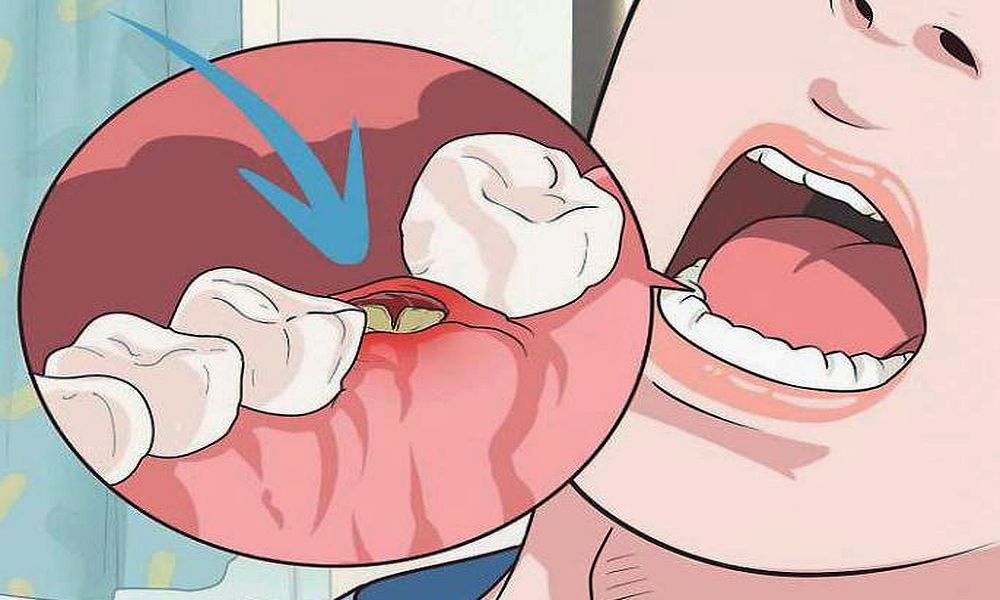
Well, there are a few cases of dry socket after tooth extraction. The percentage of dry socket patients is 2% to 5%. However, the dry socket is treatable. Therefore, you do not need to worry. Though the dry socket condition is a very painful experience, you can cure it.
When you have a tooth extraction, there is a hole behind, in that hole, a blood clot form. The coagulation of blood protects the bone and nerves in the socket. Sometimes, in the hole, the blood clot becomes dissolved. When the blood clot gets dislodged, the pit exposes to the air, food, and fluid, which creates problems for the socket. Therefore, the hole leads to the infection. The infection causes severe pain and discomfort in eating food. The trouble can last for 5 to 6 days. However, the duration of the pain can last for a few more days. The pain depends on the intensity of the dry socket’s condition.
Why Will You Have a Dry Socket?
Dry socket is not for everyone. Some people face a dry socket problem. Here are some reasons that will clear you why will you have a dry socket after tooth extraction.
The following are the primary reasons:
- Smoking.
- Irregular oral cleaning routine.
- Poor oral hygiene.
- If your wisdom tooth had extracted.
- Aggressive tooth brushing.
- Have a trauma while having a tooth extraction surgery.
- Use of birth control pills or any other medicine.
- If you already have a history of dry socket.
- If you drink through a straw after having a tooth extraction surgery.
- Spiting a lot.
- Rinsing a lot.
Symptoms of Dry Socket
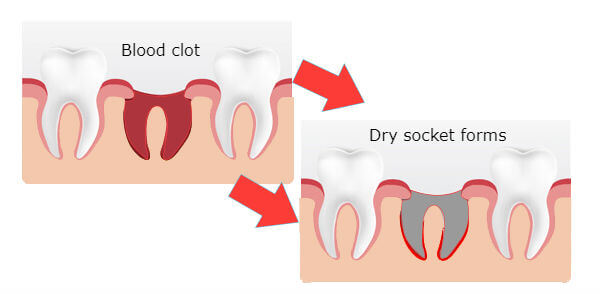
When you have a tooth extraction surgery, you can see the blood clot in the hole. If you see in the pit, and there is no blood clot, instead there is a dry-looking opening, then you have a dry socket. In a dry socket opening, you can see a whitish bone. You will feel the pain of dry socket after the extraction of two days. If you feel pain after two days. You should immediately consult your dentist; thus, he can treat your dry socket on its initial stage. If you leave it untreated on the initial days, it will create intense trouble for you after four days.
Moreover, if you have a dry socket, you will have bad breath. You can feel the smell of your breath. You will not enjoy the original taste of your meal.
Treatment of Dry Socket
Well, my first suggestion to you is, you should go to your dentist for any type of treatment. However, you can take a Nonsteroidal Anti-Inflammatory Drug (NSAID). Most probably your dentist will recommend the nonsteroidal anti-inflammatory drug like aspirin and ibuprofen. The medicines will give you instant relief from the pain. Moreover, you will feel a sigh of easiness in the pit. However, if you are suffering from intense pain, the dentist will give you some stronger painkillers.
Moreover, the dentist will clean the hole. He will remove the debris from the socket. Moreover, he will recommend you a distinct toothpaste. The dentist will fill your socket with a medicated dressing. The dressing will help your infection to heal quickly. Moreover, it will give you relief from the intense pain.

 Bite Force